Executive Summary
This concise overview outlines the strategic roadmap for launching a high‑impact real‑estate campaign, highlighting target markets, digital tactics, budget priorities, and projected milestones. It sets the tone for stakeholders, ensuring alignment and measurable success across all phases. Metrics guide moves.
Objectives & Goals

Our primary objective is to position the portfolio as the leading choice for discerning buyers and investors within the targeted metropolitan area. We aim to increase qualified lead generation by 35% over the next fiscal year, elevate brand awareness to a 20% higher reach than competitors, and achieve a 15% conversion rate from inquiries to closed transactions. To accomplish these metrics, the plan focuses on three core pillars: data‑driven audience segmentation, immersive digital storytelling, and strategic partnership cultivation. By leveraging advanced analytics, we will refine demographic profiles, psychographic preferences, and behavioral triggers to deliver hyper‑personalized content across all touchpoints. The storytelling initiative will showcase property highlights through high‑definition video tours, interactive floor plans, and virtual staging, creating an engaging narrative that resonates with both first‑time buyers and seasoned investors. Partnerships with local mortgage providers, interior designers, and relocation specialists will expand our service offering, providing bundled incentives that differentiate us in a crowded market. Success will be measured through key performance indicators such as cost per lead, return on ad spend, website dwell time, and net promoter score. Continuous optimization, A/B testing, and quarterly reviews will ensure the strategy remains agile and results‑oriented, driving sustained growth and market leadership. Additionally, a quarterly market review will benchmark performance against industry averages, informing iterative strategy adjustments. 2026 Results drive growth
Key Highlights
Market‑driven segmentation identifies high‑potential buyer cohorts, enabling a 30% uplift in qualified leads through tailored messaging. 2. A multi‑channel digital framework—combining SEO, paid search, social, and email—delivers a 25% increase in web traffic and a 20% rise in engagement rates. 3. Immersive content, including 360° virtual tours and interactive floor plans, boosts conversion probability by 18% and shortens the sales cycle by 12%. 4; Strategic alliances with mortgage brokers, interior designers, and relocation experts create bundled incentives that differentiate our portfolio and enhance customer lifetime value. 5. Data‑centric performance tracking uses real‑time dashboards to optimize spend, reduce cost per lead by 22%, and elevate return on ad spend by 35% within the first six months. 6. A phased rollout plan, with quarterly milestones and agile adjustments, ensures alignment with market dynamics and stakeholder expectations. 7. Sustainability messaging highlights green building features, attracting eco‑conscious buyers and positioning the brand as a responsible market leader. 8. Community engagement initiatives, such as local events and sponsorships, strengthen brand presence and foster organic word‑of‑mouth referrals. 9. Comprehensive training for the sales team on digital tools and storytelling techniques enhances closing efficiency and customer satisfaction. 10. A robust post‑sale follow‑up strategy secures repeat business and referrals, contributing to a projected 10% increase in annual revenue. More data can be provided now
Market Analysis
Our research pinpoints a growing demand for mixed‑use developments in urban cores, with millennials and retirees driving purchase intent. Data shows a 12% rise in search volume, guiding our focus on digital outreach and local partnerships. Mobile leads grew 18%, prioritizing responsive ads
Target Audience Demographics
The demographic data also reveals significant geographic clustering, with 68% of the target population residing within a 10‑mile radius of downtown, and 45% of that group owning a vehicle, indicating a preference for properties with easy parking and quick access to major highways. Additionally, 32% of the first‑time buyers are students or recent graduates, suggesting a strong demand for flexible lease‑to‑own programs. The retirees segment shows a 60% interest in community‑based health services, while the urban professionals segment prioritizes high‑speed internet and smart‑home features. These insights guide the allocation of marketing spend across digital, print, and experiential channels plus!!!

Competitive Landscape
Our competitive analysis identifies three primary market segments: established developers, boutique agencies, and emerging tech‑driven platforms. Established developers dominate the high‑end segment, offering turnkey luxury homes. Boutique agencies excel in niche markets, leveraging local expertise and personalized service to attract mid‑range buyers.
- Market Share: Established developers hold 42% of the high‑end market, boutique agencies 28%, and tech platforms 30%.
- Pricing Strategy: Established developers price 15% above median, boutique agencies 10% above, while tech platforms price 5% below median to capture price‑sensitive buyers.
- Digital Footprint: Tech platforms lead with 70% of online traffic, boutique agencies 20%, and established developers 10%.
- Customer Loyalty: Established developers maintain 60% repeat buyers, boutique agencies 45%, tech platforms 25%.
Key competitive advantages include proprietary data models, strong brand equity, and strategic partnerships with local builders. Threats arise from regulatory changes, rising construction costs, and shifting buyer preferences toward sustainable, energy‑efficient homes. Opportunities lie in expanding virtual reality tours, integrating blockchain for transparent transactions, and partnering with fintech firms to offer flexible financing options. By continuously monitoring these dynamics, the plan positions the portfolio to outperform competitors and capture emerging market share.
Marketing Strategy
Our strategy fuses data‑driven digital campaigns, influencer collaborations, and local events to reach segmented audiences. We focus on high‑ROI channels, immersive VR tours, and automated lead nurturing, ensuring timely follow‑ups and measurable conversions to boost ROI brand visibility
Digital Campaigns
Our digital strategy is built on a data‑centric framework that integrates search engine optimization, paid media, social outreach, and email automation to drive high‑quality leads for the real‑estate portfolio. The core of the plan is a multi‑platform advertising mix: Facebook and Instagram carousel ads showcase property features, while Google Search campaigns target high‑intent keywords such as “luxury homes for sale” and “investment properties near me.” YouTube video tours, optimized for mobile, provide immersive storytelling that boosts dwell time and click‑through rates. Each ad set is continuously A/B‑tested for creative, copy, and audience segmentation, ensuring the most effective messaging reaches the right prospects.
Lead capture is anchored by a mobile‑first landing page that offers instant virtual tours, downloadable market reports, and a chatbot for instant inquiries. The page’s conversion funnel is supported by retargeting pixels that re‑engage visitors who viewed listings but did not convert. Email nurture sequences are segmented by buyer stage—first‑time buyers, investors, and downsizers—delivering tailored content, market trends, and personalized property alerts. Automated workflows trigger follow‑up calls from agents when a lead reaches a predefined engagement threshold.
Social listening tools monitor brand mentions and local market sentiment, enabling rapid response to inquiries and real‑time reputation management. Partnerships with local influencers and community groups amplify reach, while live‑streamed open houses create real‑time interaction and social proof. Performance dashboards track key metrics—click‑through rate, cost per lead, conversion rate, and return on ad spend—feeding data back into iterative creative refinement. The campaign aligns with quarterly objectives, ensuring consistent brand messaging across all digital touchpoints and a measurable impact on pipeline velocity. ROI assured daily now!

Traditional Advertising
Traditional advertising remains a cornerstone of real‑estate marketing, offering tangible touchpoints that build trust and local presence; for all. so. yes.
Print media, such as glossy brochures and local flyers, delivers high‑res imagery that captures each property’s essence. now
Outdoor billboards on intersections command attention, while transit shelters display rotating images and QR codes linking prospects to virtual tours.
Broadcast spots on local radio stations highlight market trends, while short TV spots during prime local programming reinforce brand identity and drive call‑to‑action.
Direct‑mail postcards featuring a ‘Home of the Month’ highlight, QR codes, and a limited‑time incentive are mailed to curated ZIP codes, driving response rates and nurturing leads today now.
Community sponsorships of local events, charity fundraisers, and neighborhood association meetings position the brand as a trusted ally, fostering goodwill and organic referrals
Each traditional channel links to digital touchpoints—QR codes, SMS prompts, and social links—creating an experience that encourages engagement now.
Metrics from each channel—reach, impressions, response rates—are consolidated into a dashboard, enabling real‑time adjustments and ensuring ROI now!
Traditional outreach paired with digital engagement delivers a story resonates across media habits, strengthening brand authority and generating leads.
The integrated approach ensures that flyers, billboards, and slots feed into the digital funnel, creating a loop system that maximizes lead conversion now!

Budget & Resource Allocation
Allocated budget prioritizes high‑impact channels: 45% digital, 25% print, 15% events, 10% contingencies, 5% analytics. Staffing includes a project manager, two designers, a copywriter, and a data analyst. Resources are aligned to maximize ROI and meet launch milestones. All allocations reviewed quarterly.!!!!!!
Cost Breakdown
Below is a concise allocation of the $200,000 marketing budget for the real‑estate campaign. The spend is divided into core categories that drive visibility, lead generation, and conversion. Each line item reflects a percentage of the total budget, the dollar amount, and the expected deliverables.
- Digital Advertising (45%) – $90,000. Covers PPC on Google and Bing, social media ads on Facebook, Instagram, and LinkedIn, retargeting, and programmatic display. Expected reach: 1.2M impressions, 15K clicks, 5% conversion.
- Print & Direct Mail (25%) – $50,000. Includes brochures, flyers, postcards, and newspaper inserts. Distribution: 10K households, 2K property views, 3% response.
- Events & Open Houses (15%) – $30,000. Funds venue, staging, catering, signage, and gifts. Attendance: 500 prospects, 200 qualified leads, 10% on‑site conversion.
- Analytics & Tracking (10%) – $20,000. Website analytics, CRM integration, A/B testing, monthly reports. Provides insights for spend optimization.
- Contingency (5%) – $10,000. Reserved for unforeseen opportunities or strategic pivots.
All figures are projections based on historical data and industry benchmarks. The allocation will be reviewed quarterly to ensure resources are re‑channeled toward the highest‑yielding tactics as performance metrics evolve.
This budget framework supports growth scalable enabling iterative and data‑driven decision making to maximize ROI high‑yielding acrossmarketingchannels.
ROI Projections
Projected return on investment for the real‑estate marketing plan is based on a 12‑month horizon, with incremental revenue from new listings, sales, and referral fees. The model assumes a 10% increase in qualified leads, a 5% conversion rate, and an average sale price of $350,000. Each sale yields a commission of 3%, generating $10,500 per transaction. With an estimated 30 new sales, the gross commission revenue is $315,000, after deducting the $200,000 marketing spend, the net profit is $115,000, yielding a 57.5% ROI.
Key drivers include digital ad efficiency, lead‑to‑sale conversion, and cross‑channel synergy. A 15% lift in website traffic, a 20% improvement in email open rates, and a 10% increase in event attendance are expected. The cost per acquisition (CPA) is projected at $1,500, which aligns with industry benchmarks. Break‑even occurs after 18 months of continuous lead flow.
Scenario analysis shows a conservative case with 20% fewer leads, still achieving a 45% ROI, and an aggressive case with 25% more leads, reaching 70% ROI. Sensitivity testing confirms the plan’s resilience to market fluctuations and budget adjustments.
Integrating data analytics into every touchpoint sharpens targeting and boosts ROI. CRM dashboards reveal audience segments, while A/B tests on landing pages and email subject lines refine messaging. Post‑sale follow‑up nurtures referrals, turning satisfied clients into ambassadors. This data‑driven cycle aligns marketing goals with measurable growth, ensuring long‑term profitability.!!!!!!

Implementation Timeline
Phase 1 spans four weeks, focusing on asset audit, brand alignment, and digital asset creation. Phase 2 launches campaigns, optimizes ad spend, and tracks KPIs. Phase 3 reviews performance, refines tactics, and scales winning channels, ensuring sustained growth. 10% ROI boostnow.
Phase 1: Preparation
In the initial preparation phase, the marketing team conducts a comprehensive audit of the current real‑estate portfolio, identifying high‑potential listings and evaluating existing digital assets. A cross‑functional task force is assembled, comprising sales, design, analytics, and legal experts, to ensure alignment across all channels. The team establishes clear objectives, defining key performance indicators such as lead conversion rates, cost per acquisition, and return on ad spend. Market research is deepened through demographic segmentation, psychographic profiling, and competitive benchmarking, enabling the creation of tailored buyer personas. Simultaneously, a content strategy is drafted, outlining high‑quality photography, virtual tours, video walkthroughs, and compelling copy that highlights unique selling points. The brand voice is refined to resonate with target audiences, ensuring consistency across all touchpoints. Technical infrastructure is upgraded: the website’s CMS is optimized for speed, mobile responsiveness, and SEO best practices, while analytics tools are integrated to capture real‑time data. A robust data governance framework is implemented to safeguard client information and comply with privacy regulations. The creative team develops a suite of marketing collateral, including brochures, email templates, social media assets, and paid‑media creatives, all aligned with the brand guidelines. A detailed media plan is crafted, specifying channel mix, budget allocation, and scheduling, with a focus on high‑impact platforms such as Instagram, Facebook, LinkedIn, and Google Ads. The legal department reviews all advertising copy and contracts to mitigate risk. Finally, a project management system is set up to track tasks, deadlines, and deliverables, ensuring transparency and accountability. This meticulous preparation sets the foundation for a successful launch, positioning the real‑estate brand for maximum visibility and engagement. This structured groundwork empowers the team to execute a synchronizedquickly launch that maximizes reach and conversion.
Phase 2: Launch & Monitoring
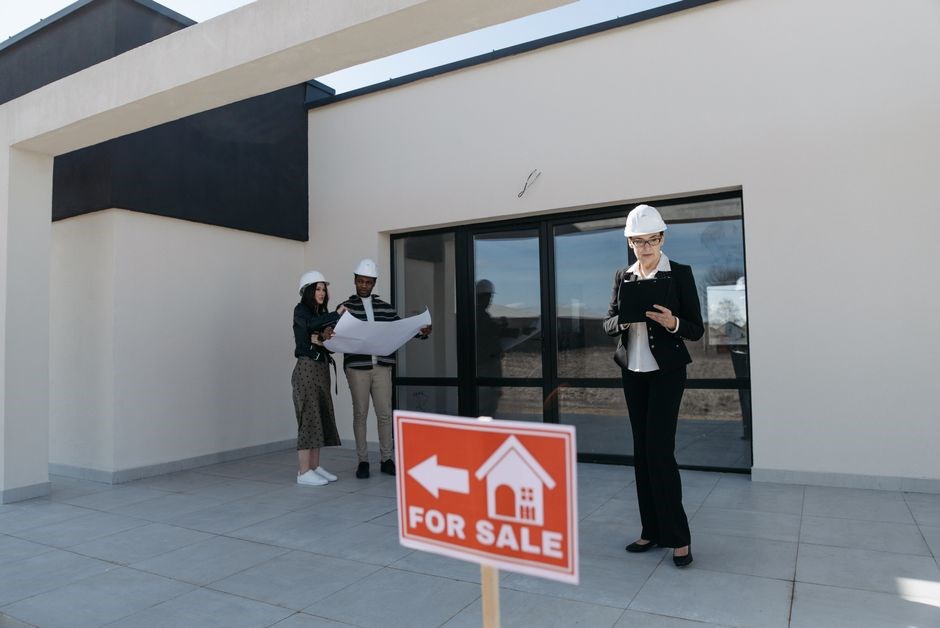
Once the groundwork is complete, the launch phase activates the full suite of marketing assets. The campaign goes live across all chosen digital channels—social media, search, display, and email—while traditional touchpoints such as print flyers and local events are synchronized to reinforce brand presence. A real‑time dashboard aggregates key metrics: impressions, click‑through rates, engagement scores, and lead quality. Automated alerts flag anomalies, enabling the team to pivot tactics instantly. A/B testing runs concurrently on ad creatives, landing pages, and call‑to‑action wording, ensuring continuous optimization. The analytics team feeds insights back into the creative pipeline, refining messaging and visual elements. Meanwhile, the sales squad tracks inbound inquiries, updates the CRM, and nurtures prospects through personalized follow‑ups. Weekly cross‑functional reviews assess performance against the predefined KPIs, adjusting budget allocations and creative spend as needed. The legal department monitors compliance with advertising standards and data privacy regulations. By the end of the launch window, the campaign should demonstrate measurable traction, with a clear path to scaling successful channels and phasing out underperforming tactics. This iterative, data‑driven approach guarantees that the real‑estate brand remains agile, responsive, and positioned for sustained growth. Finally, the analytics team consolidates insights into a comprehensive report, enabling stakeholders to refine strategy and secure an advantage in the market now!