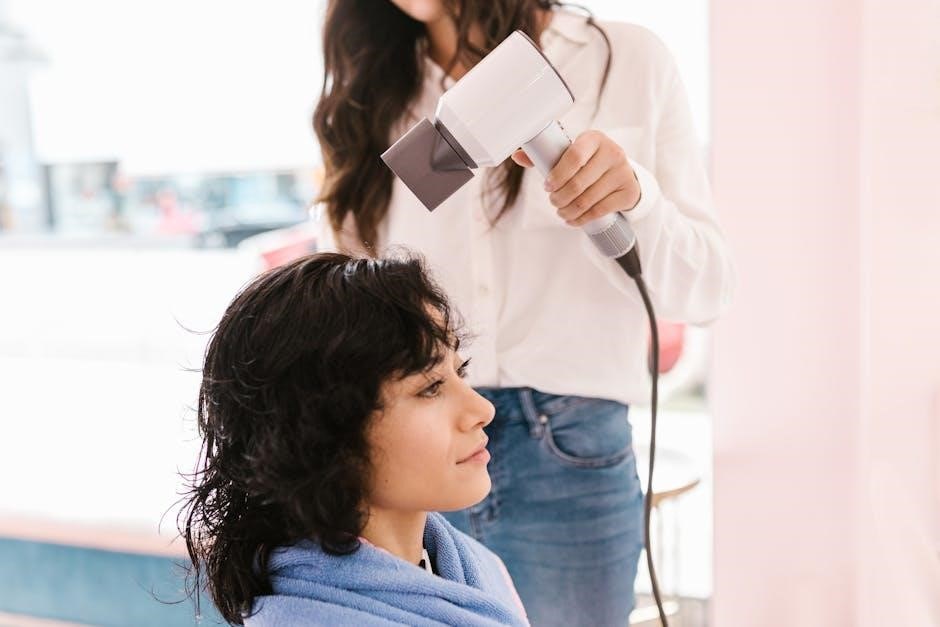
Brazilian Blowouts‚ popular smoothing treatments‚ utilize formaldehyde releasers‚ potentially posing health risks to both clients and stylists due to released fumes.
What is a Brazilian Blowout?
Brazilian Blowouts are professional hair smoothing treatments designed to temporarily reduce frizz‚ smooth hair‚ and add shine. Unlike permanent chemical straightening‚ they don’t alter the hair’s structure permanently. The process involves applying a liquid keratin formula to the hair‚ followed by heat activation using a blow dryer and flat iron.
This heat causes the formaldehyde (or formaldehyde-releasing chemicals) within the solution to bond with the hair shaft‚ creating a smooth‚ sleek appearance. The treatment aims to eliminate frizz and reduce styling time‚ leaving hair more manageable. However‚ the presence of formaldehyde is a significant concern‚ as it can be released into the air during application‚ posing health risks if proper ventilation isn’t maintained.
The Popularity and Appeal of the Treatment
Brazilian Blowouts gained immense popularity due to their promise of effortlessly smooth‚ shiny‚ and manageable hair. The appeal lies in significantly reducing styling time and taming even the most unruly frizz‚ offering a semi-permanent solution for a polished look. Many individuals sought the treatment to combat humidity and achieve a sleek aesthetic without the commitment of permanent straightening.
Despite growing awareness of potential health risks associated with formaldehyde exposure‚ the demand persisted‚ driven by effective marketing and visible results. The convenience and improved hair texture contributed to its widespread adoption‚ even as regulatory bodies issued warnings and legal actions were taken against manufacturers regarding ingredient disclosure and safety.

Understanding the Ingredients & Concerns
Key concerns center around formaldehyde‚ either directly present or released by other chemicals during the heat-activation process of Brazilian Blowout treatments.
Formaldehyde: The Core Issue
Formaldehyde is the primary chemical of concern within Brazilian Blowout products‚ despite some manufacturers claiming their formulas are “formaldehyde-free.” The FDA has issued warning letters to companies like GIB LLC (Brazilian Blowout) and Van Tibolli Beauty PR (GK Hair) due to the presence of formaldehyde or formaldehyde-releasing ingredients.
When the smoothing solution is heated during the blow-drying and flat ironing stages‚ formaldehyde gas is released into the air. This poses significant health risks through inhalation for both the client and the stylist applying the treatment. The FDA warns that inadequate salon ventilation exacerbates these risks‚ leading to potential exposure to hazardous levels of formaldehyde fumes. This colorless‚ strong-smelling gas is classified as a known human carcinogen.
Formaldehyde Releasers: A Hidden Risk
Formaldehyde releasers are chemicals added to Brazilian Blowout solutions that‚ when heated‚ break down and release formaldehyde gas. Manufacturers often utilize these ingredients to circumvent labeling requirements associated with directly adding formaldehyde to their products. However‚ the FDA considers products containing these releasers to be just as problematic as those with directly added formaldehyde.
These releasers effectively mask the presence of formaldehyde on ingredient lists‚ creating a false sense of security for consumers and stylists. The heat applied during the Brazilian Blowout procedure – from blow dryers and flat irons – triggers the release of formaldehyde from these compounds‚ exposing individuals to the same health hazards as direct formaldehyde exposure. This hidden risk underscores the importance of understanding product composition beyond simply reading the label.
FDA Warnings and Legal Actions (GIB LLC & Van Tibolli Beauty PR)
The Food and Drug Administration (FDA) issued a warning letter to GIB LLC‚ the distributor of Brazilian Blowout‚ on August 22‚ 2011‚ citing the product as adulterated due to containing a hazardous substance potentially harming users. Simultaneously‚ Van Tibolli Beauty PR‚ manufacturer of GK Hair Taming System‚ received an FDA notice on September 2‚ 2015‚ confirming formaldehyde presence in their products.
These actions mandated clear labeling regarding potential health effects‚ including cancer risks‚ for consumers. Despite these warnings‚ concerns persist regarding compliance and transparency within the industry. Attempts to reach GIB LLC’s owner‚ Monte Devin Semler‚ for comment were unsuccessful‚ highlighting a lack of public accountability. These legal actions demonstrate the FDA’s serious concerns about formaldehyde exposure from these treatments.

Preparing for a Brazilian Blowout
Prior to treatment‚ a stylist consultation and hair assessment are crucial to determine suitability and perform a patch test for allergic reactions.
Consultation with a Stylist
A thorough consultation with a qualified stylist is the foundational first step before undergoing a Brazilian Blowout. This isn’t merely a discussion about desired smoothness; it’s a critical health and safety assessment. The stylist should comprehensively inquire about your hair history – previous chemical treatments like coloring‚ perming‚ or relaxing – as these significantly impact how your hair will react to the treatment.
Discuss any allergies or sensitivities you have‚ particularly to chemicals. Openly communicate any existing scalp conditions or concerns. A reputable stylist will explain the entire process‚ potential risks‚ and expected results honestly. They should also detail the post-treatment care regimen required to maintain the blowout and minimize damage. Don’t hesitate to ask questions; understanding the procedure is paramount to making an informed decision.
Hair Assessment and Suitability
Beyond the consultation‚ a detailed hair assessment is crucial. The stylist needs to evaluate your hair’s porosity‚ texture‚ density‚ and overall health. Highly damaged or chemically treated hair may be unsuitable‚ as the Brazilian Blowout process can exacerbate existing weaknesses‚ leading to breakage and further damage. Fine or fragile hair also requires careful consideration‚ potentially necessitating a modified approach or even recommending against the treatment.
The stylist should visually inspect your scalp for any irritation or sensitivity. They’ll assess if your hair is currently protein-sensitive‚ as the treatment can sometimes overload protein levels. Determining suitability isn’t about denying the service‚ but ensuring the health and integrity of your hair are prioritized above achieving temporary smoothness.
Patch Test: Ensuring No Allergic Reaction
A patch test is a non-negotiable step before any Brazilian Blowout procedure. This involves applying a small amount of the smoothing solution to a discreet area of skin – typically behind the ear or on the inner elbow – and observing for any adverse reactions over 48-72 hours. This crucial step identifies potential allergic sensitivities or irritations to the chemicals within the formula‚ including formaldehyde releasers.
Redness‚ itching‚ burning‚ or blistering at the test site indicate an allergy‚ and the treatment should absolutely be avoided. Even a mild reaction warrants caution. Skipping the patch test significantly increases the risk of a severe allergic response during the full application‚ potentially leading to significant discomfort and health complications.

The Brazilian Blowout Procedure
The process involves applying the smoothing solution‚ followed by blow-drying and flat ironing to activate formaldehyde bonding within the hair shaft.
Application of the Smoothing Solution
The initial step in the Brazilian Blowout procedure centers around the meticulous application of the smoothing solution directly to the hair strands. Stylists typically divide the hair into small‚ manageable sections to ensure complete and even saturation. This careful approach is crucial for achieving consistent results throughout the entire treatment.
It’s vital that the solution is applied from the root to the ends of each strand‚ avoiding the scalp to minimize potential irritation. The amount of product used will vary depending on hair thickness‚ length‚ and texture. Following application‚ the hair is combed through to distribute the solution uniformly‚ preparing it for the subsequent heat activation stages.
Blow-Drying and Heat Activation
Following the smoothing solution application‚ the hair undergoes a crucial blow-drying phase. This isn’t a standard dry; it’s performed to initiate the bonding process between the formaldehyde (or releasers) and the hair shaft. The heat from the blow dryer begins to release fumes into the air‚ highlighting the importance of proper salon ventilation.
Stylists will typically use a medium heat setting and direct the airflow downwards to smooth the cuticle; Once the hair is approximately 80-90% dry‚ the heat activation process is underway‚ preparing the hair for the final sealing stage with a flat iron. This step is critical for locking in the smoothing effects.
Flat Ironing: Sealing the Treatment
The final‚ and arguably most critical‚ step involves flat ironing the hair. This process utilizes high heat to fully activate the formaldehyde and permanently seal the smoothing solution into the hair’s cuticle. As the flat iron glides through each section‚ more formaldehyde fumes are released‚ emphasizing the need for adequate ventilation to protect both the client and stylist.
Stylists typically use a temperature appropriate for the hair type‚ passing the iron over each strand multiple times. This seals the treatment‚ creating a smooth‚ sleek finish and ensuring the longevity of the Brazilian Blowout’s effects. Proper technique is vital to avoid hair damage.

Post-Treatment Care & Maintenance
Following a Brazilian Blowout‚ avoid washing hair for 72 hours and utilize sulfate-free products to prolong the treatment’s effects and maintain hair health.
Waiting Period Before Washing
A crucial aspect of post-Brazilian Blowout care involves adhering to a strict waiting period before washing your hair. Typically‚ stylists recommend refraining from washing your hair for at least 72 hours‚ and sometimes even up to four days. This extended timeframe is essential to allow the smoothing solution to fully bind with the hair shaft‚ effectively sealing in the treatment.
During this period‚ it’s also advisable to avoid activities that might cause excessive sweating or exposure to water‚ such as intense workouts or swimming. Using hair ties or clips can help maintain the straightened style and prevent unwanted bends or creases. Premature washing can disrupt the bonding process‚ diminishing the treatment’s longevity and potentially leading to frizz or reversion to the hair’s natural texture.
Sulfate-Free Shampoo and Conditioner
Maintaining your Brazilian Blowout necessitates a switch to sulfate-free shampoo and conditioner. Sulfates‚ commonly found in traditional hair products‚ are harsh detergents that strip the hair of its natural oils and can significantly reduce the treatment’s lifespan. These aggressive cleansers break down the smoothing solution‚ causing the hair to revert to its original texture and potentially increasing frizz.
Investing in high-quality‚ sulfate-free formulations is vital for preserving the smoothness and shine achieved with the Brazilian Blowout. Look for products specifically designed for chemically treated hair to provide optimal hydration and protection. Regular use of sulfate-free products will extend the benefits of the treatment and keep your hair looking healthy and vibrant for longer.
Avoiding Saltwater and Chlorine
Protecting your Brazilian Blowout requires diligent avoidance of saltwater and chlorine. Both elements are incredibly damaging to the smoothing treatment‚ rapidly stripping away the solution and causing the hair to lose its sleek‚ straightened appearance. Saltwater’s high salt content dehydrates the hair‚ while chlorine’s chemical composition breaks down the protein structure.
Before swimming‚ apply a leave-in conditioner or hair oil to create a protective barrier. Wearing a swimming cap is also highly recommended for maximum protection. After exposure‚ thoroughly rinse your hair with fresh water and follow up with a sulfate-free shampoo and conditioner to restore moisture and minimize damage‚ preserving the longevity of your blowout.
Potential Side Effects & Health Risks
Brazilian Blowouts can cause irritation‚ breathing issues‚ headaches‚ and potentially long-term health concerns like cancer due to formaldehyde exposure during the process.
Short-Term Effects: Irritation & Discomfort
Brazilian Blowout treatments frequently trigger immediate‚ noticeable discomforts for both the recipient and the stylist applying the solution. Common short-term effects include eye irritation‚ causing redness‚ stinging‚ and excessive tearing. Respiratory issues are also prevalent‚ manifesting as coughing‚ wheezing‚ and difficulty breathing due to inhaled formaldehyde fumes.

Many individuals experience skin irritation‚ often presenting as rashes or burning sensations‚ particularly on the scalp and neck. Headaches are frequently reported‚ likely stemming from formaldehyde exposure. These immediate reactions highlight the importance of adequate ventilation and protective measures during the procedure. The intensity of these effects can vary depending on individual sensitivity and the level of formaldehyde released.
Long-Term Effects: Health Concerns (Cancer Risks)
Prolonged or repeated exposure to formaldehyde‚ a key component or byproduct of Brazilian Blowouts‚ raises significant long-term health concerns. The FDA and other agencies warn of potential cancer risks‚ particularly leukemia‚ linked to formaldehyde inhalation. While direct causation requires further research‚ formaldehyde is classified as a known human carcinogen.
Chronic respiratory problems‚ such as asthma and bronchitis‚ can be exacerbated or even developed due to ongoing exposure. Stylists‚ who frequently perform these treatments‚ are at a heightened risk. Even clients‚ with repeated applications‚ may face increased health vulnerabilities. Minimizing exposure through proper ventilation and alternative treatments is crucial for mitigating these potential long-term health consequences.
Hair Damage: Breakage‚ Dryness‚ and Shedding
Brazilian Blowouts‚ while offering smoothing benefits‚ can compromise hair health. The heat activation process‚ utilizing blow dryers and flat irons‚ weakens the hair shaft‚ leading to increased fragility. This often manifests as breakage‚ particularly in already damaged or chemically treated hair.
Furthermore‚ the treatment can strip hair of its natural oils‚ resulting in excessive dryness and a brittle texture. Patchiness may occur if the solution isn’t applied evenly. Consequently‚ increased shedding is a common complaint‚ as weakened follicles struggle to retain strands. Proper post-treatment care‚ including deep conditioning‚ is vital to minimize these damaging effects.

Ventilation and Safety Precautions
Proper salon ventilation is crucial during Brazilian Blowouts‚ as heating the solution releases formaldehyde fumes‚ posing risks to stylists and clients.
Importance of Salon Ventilation
Effective ventilation is paramount when a Brazilian Blowout is performed‚ directly addressing the release of formaldehyde as the smoothing solution is heated with blow dryers and flat irons. The FDA explicitly warns that inadequate ventilation exposes both the client and the stylist to potentially harmful chemical fumes. These invisible‚ strong-smelling emissions can cause immediate irritation to the eyes and airways‚ and prolonged exposure raises significant health concerns.
Salons must implement systems capable of rapidly exchanging air‚ removing formaldehyde before inhalation occurs. This isn’t simply about opening a window; professional-grade ventilation is essential. Without it‚ the benefits of the treatment are overshadowed by the potential for adverse health effects‚ including increased cancer risks‚ as highlighted by regulatory warnings and legal actions against manufacturers like GIB LLC and Van Tibolli Beauty PR.
Protective Measures for Stylists
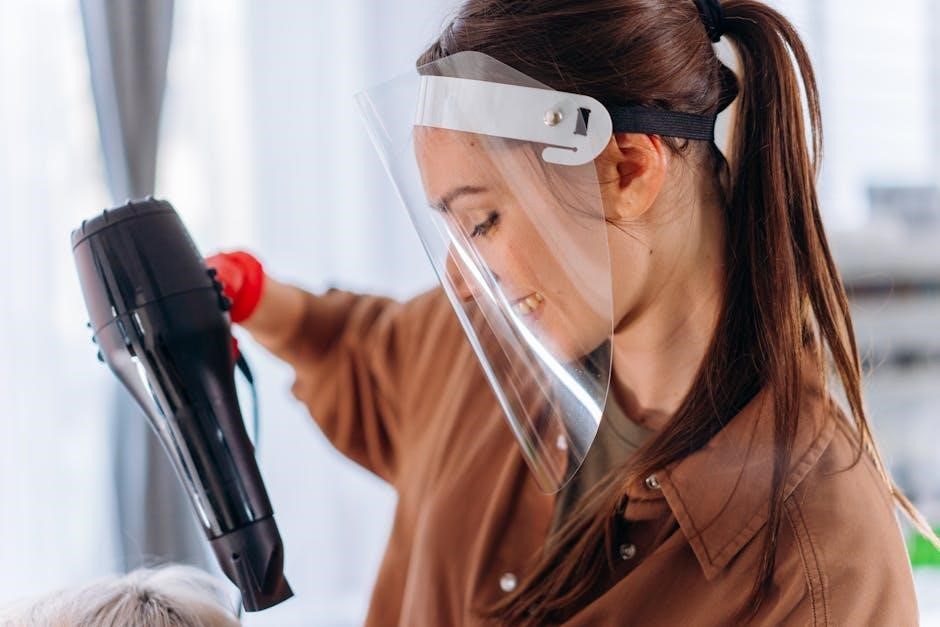
Stylists administering Brazilian Blowouts face the highest exposure to formaldehyde fumes released during the heat-activation process. Prioritizing personal protective equipment (PPE) is crucial; this includes wearing appropriate respirators specifically designed to filter formaldehyde‚ not just standard dust masks. Gloves are also essential to prevent skin contact with the smoothing solution.
Beyond PPE‚ stylists should ensure they are thoroughly trained on proper application techniques and ventilation procedures. They must be aware of the potential health risks‚ including long-term concerns like cancer‚ and understand their right to a safe working environment. Refusing to perform the treatment in poorly ventilated spaces is a vital step in self-protection‚ aligning with consumer awareness and rights.
Consumer Awareness and Rights
Informed consent is paramount before undergoing a Brazilian Blowout. Consumers have the right to know the full ingredient list‚ including any formaldehyde releasers‚ and understand the associated health risks – from immediate irritation to potential long-term effects like cancer. Salons are obligated to provide this information transparently.
If a salon fails to disclose these risks or performs the treatment in a poorly ventilated space‚ consumers have recourse. Reporting concerns to the FDA and seeking legal counsel are viable options; Prioritizing salons with robust ventilation systems and stylists who prioritize safety demonstrates proactive consumer awareness‚ safeguarding health and well-being during this cosmetic procedure.