Fishing Rod Guide: A Comprehensive Overview (Updated 02/05/2026)
This guide delves into the world of fishing rods‚ covering types‚ materials‚ components‚ actions‚ and power‚ aiding anglers in selecting the perfect rod for their pursuits․
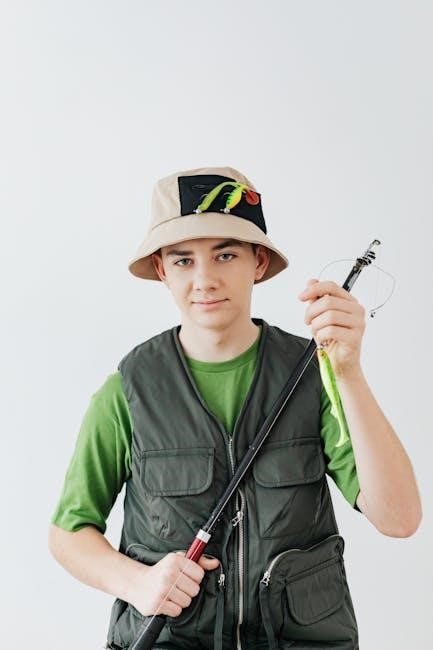
Fishing rods are essential tools for anglers‚ acting as the crucial link between the fisherman and the aquatic world․ Selecting the right rod significantly impacts fishing success‚ influencing casting distance‚ accuracy‚ and the ability to effectively manage caught fish․ The market offers a diverse range of rods‚ each designed for specific techniques and target species‚ from the delicate art of fly fishing to the powerful demands of surf casting․
Understanding the fundamental components – including the rod blank‚ guides‚ reel seat‚ and handle – is paramount․ Different materials like graphite‚ fiberglass‚ and composites contribute unique characteristics to a rod’s performance․ Furthermore‚ factors like rod action (fast‚ moderate‚ slow) and power (ultra-light to extra-heavy) dictate how the rod bends and its overall strength․
This guide aims to demystify these aspects‚ providing anglers with the knowledge to confidently choose a rod tailored to their individual needs and fishing style‚ ultimately enhancing their on-water experience․
Understanding Fishing Rod Types
Fishing rods aren’t one-size-fits-all; they’re specialized tools․ Spinning rods are renowned for their versatility‚ making them ideal for beginners and a wide range of species․ Baitcasting rods offer increased power and accuracy‚ favored by experienced anglers targeting larger fish․ Fly rods are uniquely designed for the specialized technique of fly fishing‚ requiring precise casting and presentation․
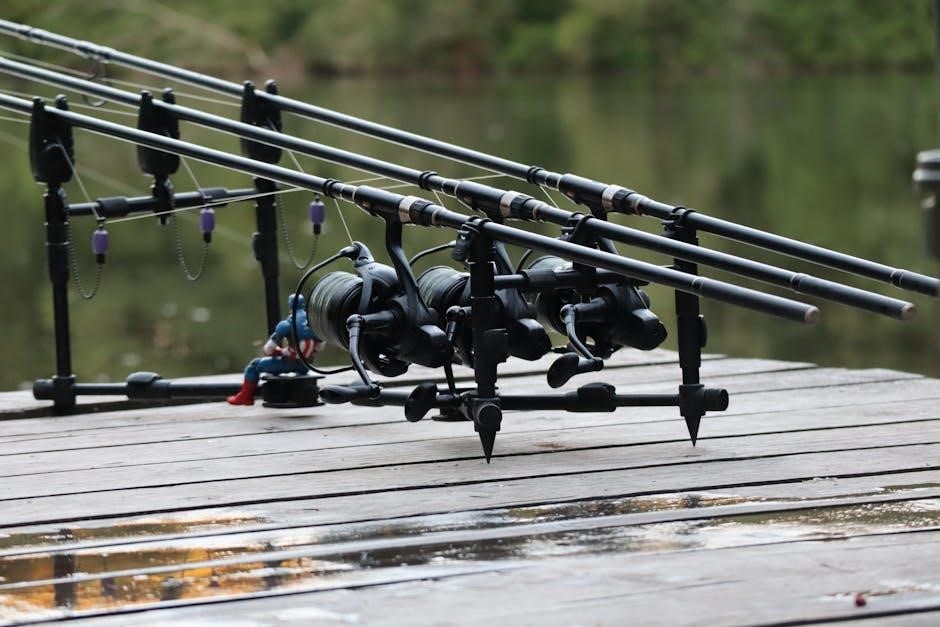
Beyond these core types‚ surf fishing rods are exceptionally long‚ enabling anglers to cast far beyond breaking waves‚ targeting species like whiting․ Carp fishing rods are built to handle the immense strength of carp‚ often featuring robust construction and powerful actions․ Each rod type possesses distinct characteristics influencing line control‚ casting distance‚ and fish-fighting capabilities․
Choosing the correct type depends heavily on the intended fishing technique‚ target species‚ and the angler’s experience level․ Understanding these nuances is key to maximizing success on the water․
Rod Construction & Materials
Rod construction relies on materials like graphite‚ fiberglass‚ and composites‚ each offering unique benefits regarding sensitivity‚ power‚ and durability for optimal performance․
Fishing Rod Materials: Graphite
Graphite rods are highly esteemed for their exceptional sensitivity and lightweight nature‚ making them a popular choice among anglers․ Composed of carbon fibers‚ graphite transmits vibrations remarkably well‚ allowing anglers to detect even the most subtle strikes․ This heightened sensitivity is particularly advantageous when targeting finicky fish or fishing in clear water conditions․
However‚ graphite isn’t without its limitations․ It tends to be more brittle than fiberglass‚ making it susceptible to damage from impacts or excessive force․ Higher-modulus graphite rods‚ while incredibly sensitive‚ are often more expensive and require careful handling․ Different grades of graphite exist‚ influencing the rod’s performance and price point․
Manufacturers often blend graphite with other materials to enhance its durability and overall performance․ Graphite rods excel in techniques demanding sensitivity‚ such as finesse fishing‚ drop-shotting‚ and detecting light bites․ They are a staple for many anglers seeking a responsive and refined fishing experience․
Fishing Rod Materials: Fiberglass
Fiberglass rods represent a durable and cost-effective option for anglers‚ particularly beginners․ Constructed from woven glass fibers embedded in resin‚ fiberglass offers excellent resilience and can withstand significant abuse․ This makes them ideal for situations where breakage is a concern‚ such as fishing around heavy cover or during rough handling․
Compared to graphite‚ fiberglass rods are generally heavier and less sensitive․ They don’t transmit vibrations as efficiently‚ potentially making it harder to detect subtle bites․ However‚ their inherent toughness and affordability make them a practical choice for many fishing applications․
Fiberglass is commonly used in rods designed for heavier fishing techniques‚ like surf fishing or trolling‚ where strength and durability are paramount․ Modern fiberglass blends often incorporate graphite to improve sensitivity while retaining the material’s robust characteristics․ They remain a reliable and accessible option for a wide range of anglers․
Fishing Rod Materials: Composite
Composite fishing rods skillfully blend different materials – typically graphite and fiberglass – to harness the strengths of each‚ mitigating their individual weaknesses․ This results in a rod offering a balanced combination of sensitivity‚ power‚ and durability‚ appealing to a broad spectrum of anglers․
The ratio of graphite to fiberglass dictates the rod’s characteristics․ Higher graphite content enhances sensitivity and reduces weight‚ while increased fiberglass provides greater toughness and affordability․ Manufacturers carefully tailor these blends to suit specific fishing applications and price points․
Composite rods represent a versatile middle ground‚ offering a compelling alternative to pure graphite or fiberglass options․ They are frequently found in all-around fishing rods designed for various species and techniques․ This material combination delivers a good value proposition‚ providing performance without the premium cost of high-modulus graphite․
Key Rod Components
Essential rod components include guides‚ reel seats‚ and handles‚ each playing a crucial role in performance and angler comfort during casting and retrieval․
Fishing Rod Guides: Types & Materials
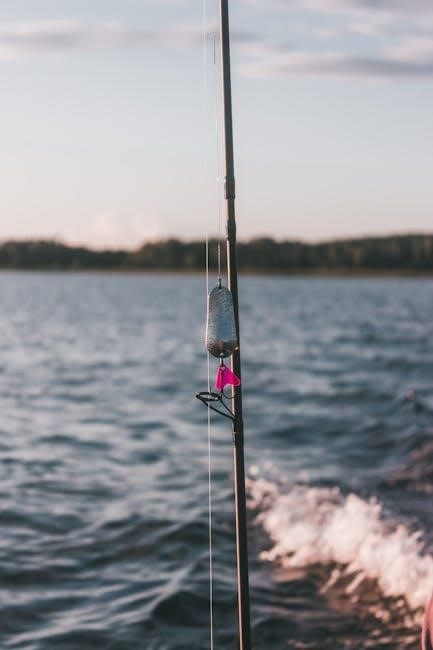
Fishing rod guides are critical components‚ directing the line smoothly from the reel to the rod tip‚ minimizing friction and maximizing casting distance and accuracy․ Several types exist‚ each with unique characteristics․ Stainless steel guides are a common‚ affordable option‚ often paired with Alconite or Silicon Carbide (SIC) inserts for enhanced durability and line protection․
Titanium guides offer a significant weight reduction and superior corrosion resistance‚ frequently combined with SIC or Torzite inserts for premium performance․ Torzite‚ a relatively new material‚ provides exceptional heat dissipation and smoothness․ Carbon fiber guides‚ utilizing Zirconium inserts‚ are incredibly lightweight but can be more fragile․
Guide materials impact both performance and cost․ SIC is renowned for its hardness and resistance to wear‚ while Alconite offers a good balance of performance and affordability․ The choice depends on the angler’s budget‚ fishing style‚ and the type of line used – braided lines require more durable guides․
Reel Seats: Function and Considerations
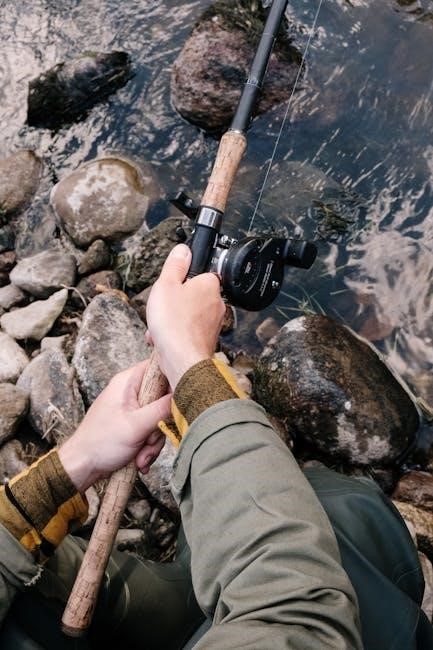
The reel seat is the crucial connection point between the fishing reel and the rod‚ securely holding the reel in place during casts and fights with fish․ Its primary function is to transmit the force from the angler‚ through the rod‚ to the fish‚ and vice versa; Reel seats come in various materials‚ including graphite‚ aluminum‚ and wood․
Graphite reel seats are lightweight and corrosion-resistant‚ suitable for many applications․ Aluminum seats offer increased strength and durability‚ ideal for heavier fishing scenarios․ Wooden reel seats‚ often found on classic or fly rods‚ provide a traditional aesthetic and comfortable grip․
Considerations when choosing a reel seat include the size and type of reel being used‚ the power of the rod‚ and the angler’s personal preference; A properly fitted reel seat ensures optimal sensitivity and control‚ enhancing the overall fishing experience․ Locking mechanisms‚ like screw-downs‚ provide a more secure hold․
Rod Handles: Cork vs․ EVA Foam
Rod handles significantly impact comfort‚ sensitivity‚ and overall control․ The two primary materials used are cork and EVA foam‚ each offering distinct advantages․ Cork handles are renowned for their natural feel‚ providing excellent sensitivity‚ allowing anglers to detect subtle bites․ They are lightweight and offer a comfortable grip‚ especially when wet‚ but require more maintenance․
EVA foam handles are durable‚ lightweight‚ and require minimal upkeep․ They offer a secure grip‚ even in slippery conditions‚ and are often more affordable than cork․ However‚ EVA foam doesn’t transmit vibrations as effectively as cork‚ potentially reducing sensitivity․
The choice between cork and EVA foam depends on the angler’s fishing style and preferences․ Cork is favored for techniques requiring high sensitivity‚ while EVA foam is preferred for durability and ease of maintenance in demanding conditions․
Rod Actions & Power
Understanding rod action—fast‚ moderate‚ or slow—and power—ultra-light to extra-heavy—is crucial for matching a rod to specific fishing techniques and target species․
Rod Action: Fast‚ Moderate‚ Slow
Rod action describes where the rod bends when pressure is applied․ Fast action rods bend primarily at the tip‚ offering high sensitivity and quick hooksets‚ ideal for techniques like jigging or when fishing with single hooks․ They excel in situations demanding immediate response and precision․
Moderate action rods bend more towards the middle‚ providing a balance between sensitivity and power․ This versatility makes them suitable for a wider range of techniques‚ including casting crankbaits or working soft plastics․ They offer good casting distance and fish-fighting capabilities․
Slow action rods bend along most of their length‚ delivering maximum power and cushioning for fighting larger fish․ They are often preferred for techniques like bottom fishing or when using live bait‚ providing a softer presentation and preventing pulled hooks․ These rods are forgiving and excellent for absorbing shocks during the fight․
Rod Power: Ultra-Light to Extra-Heavy
Rod power indicates the amount of force needed to bend the rod‚ directly correlating to the weight of lures and line it can handle․ Ultra-light power rods are designed for the smallest species and lightest lures‚ offering maximum sensitivity for detecting subtle bites․ They’re perfect for panfish or trout with light line․
Light to medium-light power rods provide a good balance for smaller lures and moderate-sized fish‚ suitable for species like bass or walleye․ Medium power is an all-around choice‚ handling a wide variety of lures and fish sizes․
Medium-heavy to heavy power rods are built for larger fish and heavier lures‚ offering the strength needed for techniques like flipping and pitching․ Extra-heavy power rods are reserved for the biggest species and heaviest cover‚ providing unparalleled power and backbone for demanding situations․
Fishing Techniques & Rod Selection
Choosing a rod depends heavily on your preferred fishing technique‚ whether it’s spinning‚ baitcasting‚ fly fishing‚ surf fishing‚ or targeting specific species like carp․
Spinning Rods: Versatility for Beginners
Spinning rods are renowned for their user-friendliness‚ making them an excellent choice for novice anglers․ Their design facilitates easier casting‚ particularly with lighter lures and baits‚ reducing backlashes and improving overall control․ These rods typically feature guides positioned on the underside‚ accommodating the spinning reel’s bail arm rotation․
The versatility of spinning rods allows them to tackle a wide range of fishing scenarios‚ from freshwater bass fishing to saltwater inshore species like whiting․ They excel in situations where precise bait presentation and moderate casting distances are required․ Commonly paired with monofilament or braided lines‚ spinning rods offer a balanced combination of sensitivity and power․
When selecting a spinning rod‚ consider the target species and fishing environment․ A lighter action rod is suitable for panfish‚ while a medium-heavy action rod can handle larger predators․ Rod length also plays a role‚ with shorter rods offering greater accuracy and longer rods providing increased casting distance․
Baitcasting Rods: Power and Accuracy
Baitcasting rods are favored by experienced anglers seeking enhanced power and accuracy‚ particularly when targeting larger fish or employing heavier lures․ Unlike spinning rods‚ baitcasters mount above the rod‚ offering direct contact with the line for superior control․ However‚ this configuration demands more skill to prevent backlashes – tangled lines resulting from improper casting technique․
These rods excel in techniques requiring precise lure placement‚ such as flipping and pitching into heavy cover․ They are commonly used for bass fishing‚ pike‚ and muskie‚ where strong hooksets and line control are crucial․ Baitcasting rods often feature pistol-grip handles for a secure hold and increased leverage during fights․
Selecting the right baitcasting rod involves considering gear ratio‚ rod power‚ and action․ A lower gear ratio provides more torque for reeling in heavy fish‚ while a higher ratio allows for faster retrieves․ Matching the rod’s power and action to the target species and lure weight is essential for optimal performance․
Fly Rods: Specialized for Fly Fishing
Fly rods represent a unique category‚ specifically designed for the art of fly fishing‚ which relies on the weight of the fly line to cast the nearly weightless artificial flies․ These rods differ significantly from spinning or baitcasting rods in both design and technique․ They are characterized by a longer‚ more flexible profile and a specialized reel positioned beneath the rod handle․
Fly rod weight is a crucial factor‚ ranging from 1wt (for small streams and delicate presentations) to 12wt (for large saltwater species)․ The rod’s action – fast‚ moderate‚ or slow – dictates its casting style and suitability for different fly types and fishing conditions․ Fast-action rods offer greater casting distance and power‚ while slower actions provide more feel and finesse․
Mastering fly casting requires practice and understanding of loop control‚ timing‚ and line management․ Fly fishing is often pursued for trout‚ salmon‚ and other freshwater species‚ but also extends to saltwater flats fishing for species like bonefish and tarpon․
Surf Fishing Rods: Long Distance Casting
Surf fishing rods are engineered for the demanding conditions of shoreline casting‚ prioritizing length and power to reach fish beyond the breaking waves․ Typically ranging from 9 to 15 feet‚ these rods enable anglers to cast heavy weights and baits considerable distances‚ overcoming currents and surf․ They are essential for targeting species like whiting‚ striped bass‚ and bluefish from the beach․
Construction often favors graphite or composite materials to balance sensitivity with durability‚ crucial for detecting subtle bites in turbulent waters․ Rod power varies from medium-heavy to extra-heavy‚ depending on the anticipated size of the target fish and the weight of the tackle․ A fast action is preferred for long-distance casting and improved control․
Specialized features like corrosion-resistant guides and reel seats are common‚ protecting against the harsh saltwater environment․ Successful surf fishing requires understanding tides‚ currents‚ and beach structure‚ alongside proficient casting techniques․
Carp Fishing Rods: Targeting Large Fish
Carp fishing rods are specifically designed to handle the immense power and stamina of large carp‚ requiring robust construction and specialized features․ These rods typically range from 10 to 13 feet in length‚ providing the leverage needed for long casts and powerful hooksets․ They are built to withstand the strain of battling sizable fish in various conditions․
Power ratings generally fall within the medium-heavy to heavy range‚ capable of casting heavy feeders‚ method balls‚ or boilie rigs․ Rod actions are often slower or moderate-fast‚ allowing the rod to load deeply during the cast and absorb the carp’s powerful runs․ Graphite and composite materials are frequently used‚ balancing strength and sensitivity․
Essential features include durable guides‚ strong reel seats‚ and comfortable handles for extended casting and fighting․ Mastering techniques like specimen stalking and bank fishing are key to success․

Rod Length & Its Impact
Rod length significantly influences casting distance‚ accuracy‚ and control; shorter rods excel in precision‚ while longer rods offer greater leverage and distance capabilities․
Short Rods (Under 6ft): Precision & Control
Short fishing rods‚ typically under six feet in length‚ are prized for their exceptional precision and control‚ making them ideal for anglers targeting fish in confined spaces or requiring pinpoint accuracy․ These rods excel in situations where long casts aren’t necessary‚ such as fishing in streams‚ creeks‚ or around heavy cover․
Their compact size enhances maneuverability‚ allowing for quick and accurate presentations․ They are particularly well-suited for techniques like finesse fishing‚ where subtle presentations are crucial․ Anglers often choose shorter rods for techniques like drop-shotting‚ jigging‚ or fishing with small lures․
The shorter length also provides increased sensitivity‚ enabling anglers to detect even the slightest bites․ While they may sacrifice some casting distance compared to longer rods‚ the trade-off in control and accuracy is often well worth it for specific fishing scenarios․ They are a favorite among anglers who value finesse and precision above all else․
Medium Rods (6-7ft): All-Around Performance
Medium-length fishing rods‚ falling within the 6 to 7-foot range‚ represent a versatile choice for anglers seeking all-around performance․ These rods strike a balance between casting distance‚ accuracy‚ and fish-fighting power‚ making them suitable for a wide variety of species and fishing techniques․ They are often considered the “do-it-all” option for many anglers‚ especially beginners․
Their moderate length allows for comfortable casting with various lure weights and line types․ They provide sufficient leverage for setting the hook and controlling fish of moderate size․ Medium rods are commonly used for techniques like spinning‚ baitcasting‚ and light to medium-weight jigging․
They excel in situations where a blend of casting distance and accuracy is desired․ Whether targeting bass‚ trout‚ or panfish‚ a medium rod offers a reliable and adaptable option for diverse fishing conditions․ They are a solid choice for anglers who want a single rod capable of handling multiple fishing scenarios․
Long Rods (Over 7ft): Distance & Leverage
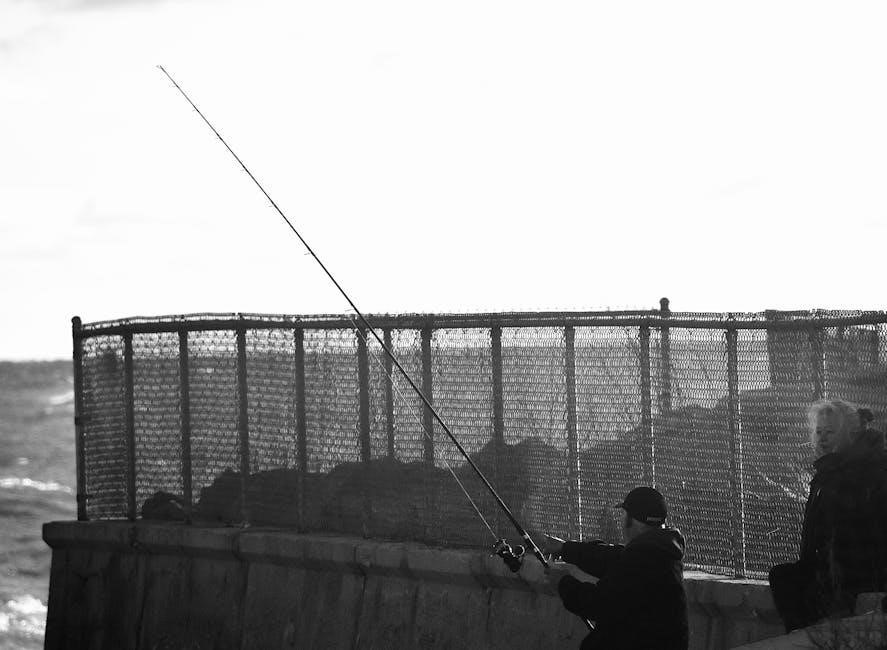
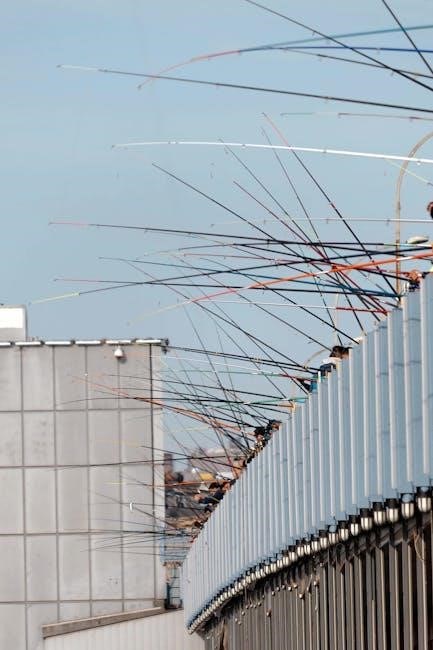
Fishing rods exceeding 7 feet in length are engineered for maximizing casting distance and providing superior leverage when battling larger fish․ These rods are particularly favored in situations where reaching distant structures or covering expansive water areas is crucial․ Surf fishing‚ pier fishing‚ and certain bass fishing techniques heavily rely on the benefits of longer rods․
The extended length enhances casting distance by increasing the arc during the cast‚ allowing anglers to deliver lures or bait further from the shoreline or boat․ Moreover‚ the increased length provides greater leverage‚ aiding in lifting and controlling powerful fish․
Longer rods are often preferred when using heavier lures or when targeting species known for their strong runs․ They offer a mechanical advantage‚ reducing angler fatigue during prolonged fights․ While potentially less sensitive for detecting subtle bites‚ their power and reach make them invaluable tools for specific fishing applications․
Fishing Rod Market Trends
The global fishing rod market is experiencing growth‚ with analyses focusing on casting‚ fly‚ and spinning rod shares‚ revenue projections‚ and regional variations․
Global Fishing Rods Market Overview
The fishing rods market‚ as reported by GlobeNewswire Inc․ in January 2025‚ demonstrates a dynamic landscape with evolving consumer preferences and technological advancements․ This market is segmented by fishing rod type – encompassing casting‚ fly‚ and spinning rods – each catering to distinct angling techniques and user needs․ Material composition‚ including graphite‚ fiberglass‚ and composites‚ significantly influences rod performance and price points․
Further segmentation considers the user (professional or recreational)‚ rod length‚ price range‚ application (freshwater or saltwater)‚ and power․ Regional analysis reveals varying market dynamics‚ with growth concentrated in areas with robust recreational fishing cultures․ The market is driven by increasing participation in fishing activities‚ rising disposable incomes‚ and a growing awareness of specialized fishing equipment․ Understanding these trends is crucial for manufacturers and retailers to effectively target specific market segments and capitalize on emerging opportunities within the global fishing rod industry․
Casting‚ Fly‚ and Spinning Rods Analysis
A detailed analysis reveals distinct characteristics within the three primary fishing rod types: casting‚ fly‚ and spinning․ Casting rods‚ favored for their power and accuracy‚ excel in techniques like bass fishing and targeting larger species․ They often pair with baitcasting reels‚ demanding greater skill for effective use․
Fly rods‚ highly specialized‚ are designed for the art of fly fishing‚ utilizing weighted lines to cast artificial flies․ They require precise technique and are popular for trout and salmon fishing․ Spinning rods offer versatility and ease of use‚ making them ideal for beginners and a wide range of species․ They are typically paired with spinning reels and are suitable for various techniques․
Market reports indicate continued demand across all three types‚ with innovations in materials and design constantly refining performance and angler experience․
Choosing the Right Rod for Your Needs
Selecting a fishing rod requires careful consideration of target species‚ fishing techniques‚ and personal budget‚ ensuring optimal performance and enjoyment on the water․
Considering Target Species
Matching your fishing rod to the species you intend to catch is paramount for success․ For example‚ targeting Whiting in surf gutters demands a rod capable of short‚ accurate casts‚ often a medium-action rod around 6-7 feet․ Conversely‚ pursuing larger Australian Carp necessitates a more powerful rod‚ potentially extra-heavy power‚ to handle their strength and size․
Port Phillip Bay’s King George Whiting‚ found near reefs and weed beds‚ benefits from a sensitive rod allowing for detection of subtle bites․ Understanding a fish’s typical size‚ fighting style‚ and habitat dictates the necessary rod power‚ action‚ and length․ A golfer wouldn’t use a single club for every shot; similarly‚ anglers should tailor their rod selection to the specific demands of their target species․ Consider whether the fish are bottom dwellers‚ surface feeders‚ or require long-distance casting – each scenario calls for a different rod characteristic․
Budget Considerations
Fishing rod prices vary dramatically‚ influenced by materials‚ construction‚ and brand reputation․ Entry-level rods‚ often constructed from fiberglass or composite materials‚ can be found for under $100‚ suitable for beginners or casual anglers․ However‚ these may lack the sensitivity and durability of higher-end options․
Mid-range rods‚ typically utilizing graphite blends‚ offer a balance of performance and affordability‚ ranging from $100 to $300․ Serious anglers seeking top-tier performance should consider high-modulus graphite or advanced composite rods‚ which can exceed $300 and even reach several hundred dollars․ Remember to factor in the cost of a reel and line when budgeting․ Prioritize quality over quantity; a well-chosen‚ slightly more expensive rod will likely provide years of reliable service and enhance your fishing experience․